
Trades & Playoff Planning
Trading is the fastest way to fix a roster
Waiver moves add depth, but trades reshape your team. If you are consistently losing one category, a smart trade can solve the problem in one move and make your weekly lineups easier for the rest of the season.
Contents
- Finding value before your league notices
- A simple trade process
- Pricing players correctly
- Preparing for the fantasy playoffs
- Trade value table
- Related guides
- Author opinion
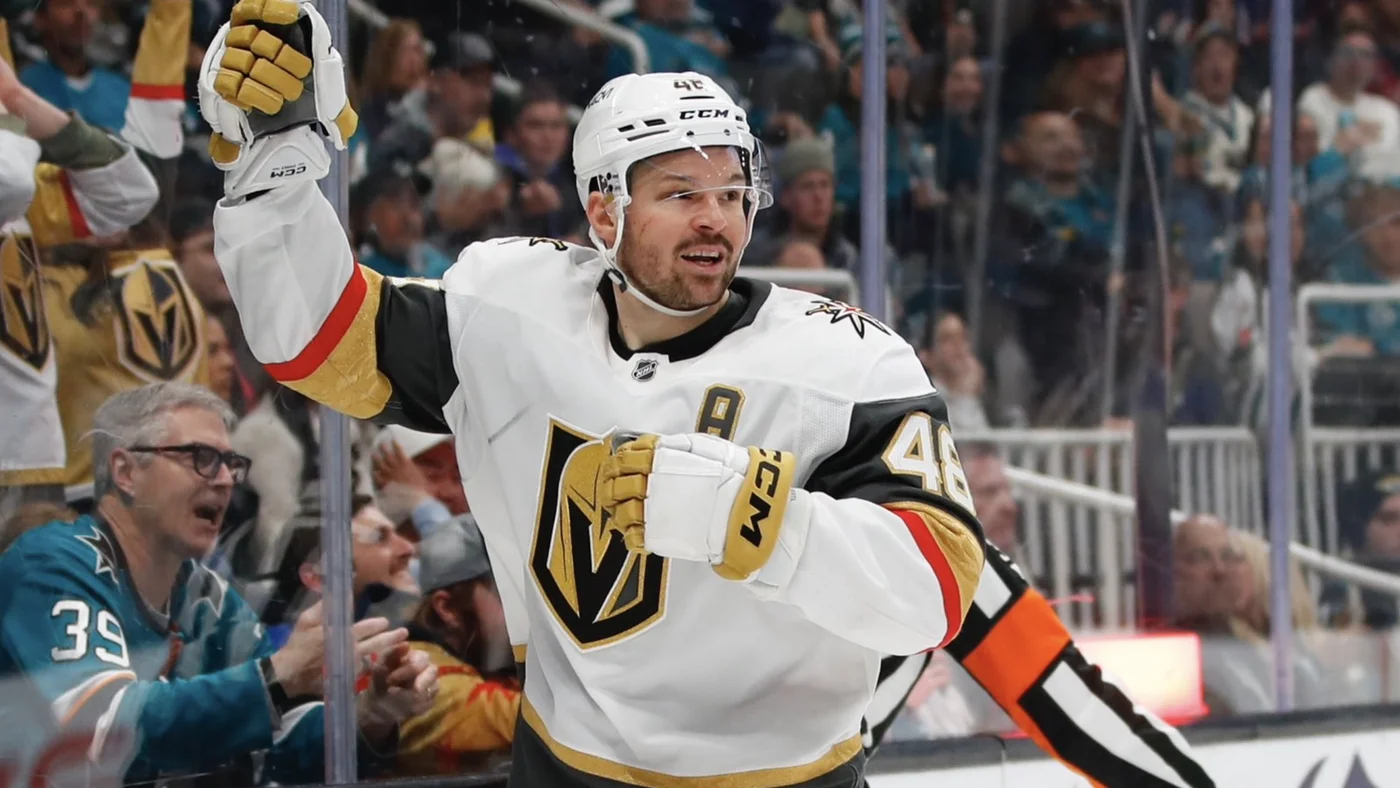
Fantasy hockey trade targets that fit category needs
The best trades are not “star for star”. They are category upgrades that your opponent barely feels, while you gain a clear weekly edge. Start by listing two categories you want to improve and one category you can afford to trade away.
Make offers that are easy to say yes to
- Offer a solution: “You need goalie starts, I can help.”
- Send two options in one message to start a conversation.
- Use recent performance, but don’t sell only on a hot week.
Two-for-one trade to open space for streaming
Depth matters, but depth also blocks roster flexibility. If you can upgrade a starter and free a bench spot for waiver moves, you often gain points from both directions.
- Identify your worst weekly starter and the category he fails to help.
- Bundle a mid-level player plus a bench piece for a clear upgrade.
- After the trade, use the open spot for a streamer on light days.
Sell high buy low without sounding shady
Every league has managers who overreact to short slumps. That is where value lives. You are not “tricking” anyone; you are betting that usage and role matter more than a two-week point streak.
When to wait before making an offer
If a player’s role is shrinking, do not buy the name. If his role is stable and the points are missing, that is where the discount usually appears.
Playoff schedule planning for the last month
Once you have a playoff spot in sight, look at games played during your league’s playoff weeks. A team with two games can be less valuable than a similar player with four games, even if the “name” is bigger.
- Trade for players on teams with stronger playoff-week volume.
- Reduce reliance on fragile goalie situations late in the year.
- Keep one bench slot flexible for injuries and surprise line changes.
Keeper league trades that build next season too
If your format allows keepers, separate “win now” pieces from “future value”. Sometimes the best move is swapping a veteran for a younger player plus a pick, as long as it does not ruin your current run.
Trade value table
| Player type | What you get | What you pay |
|---|---|---|
| High-shot winger | Stable floor in goals/points | Two mid starters |
| Category defenseman | Hits/blocks plus minutes | Scoring-only bench piece |
| Clear starter goalie | Weekly stability | High-upside skater |
Related guides
Author opinion
I like trades that make my weekly decisions simpler: one better starter, one more flexible bench slot, and a clearer path to winning categories. If a trade does not improve your weekly plan, it is usually just noise.